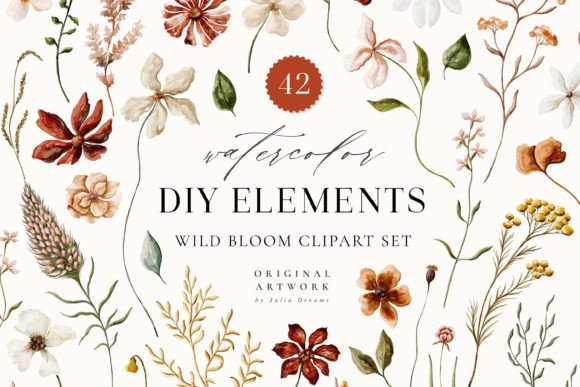
Wild Bloom Watercolor Digital Clipart: A Fresh Editorial Design Asset for Bloggers and Digital Publishers
As a blog designer and digital publisher who works with content creators across niches, I’m always on the lookout for high-quality design assets that elevate visual storytelling without overwhelming the message. Wild Bloom Watercolor Digital Clipart caught my attention recently—not just for its soft, artistic aesthetic, but for how well it integrates into real editorial workflows. Whether you're crafting Pinterest pins, featured images, or downloadable guides, this graphic design asset brings a unique blend of elegance and versatility.
First Impressions: Soft, Artistic, and Lifestyle-Centric
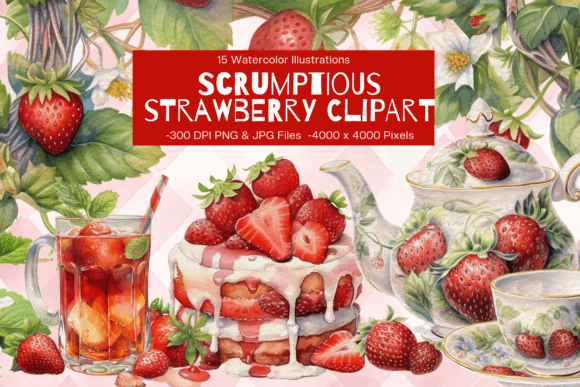
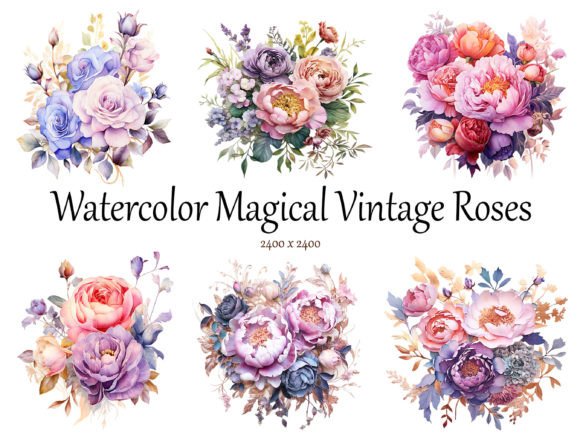
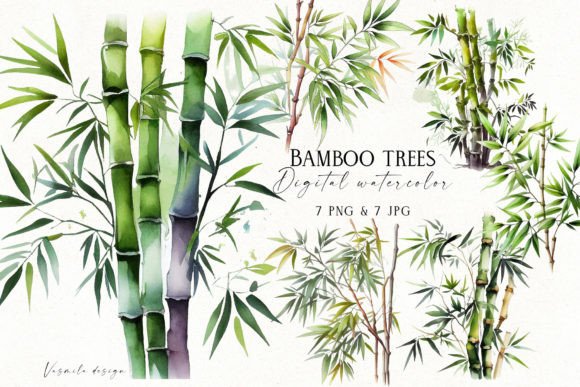
The first thing I noticed about Wild Bloom Watercolor Digital Clipart was the organic, hand-painted texture. The illustrations have a gentle, flowing quality that feels very lifestyle-focused and feminine. They evoke a sense of calm and creativity, making them ideal for niches like wellness, personal development, home décor, slow living, and creative entrepreneurship.
From a visual communication standpoint, these illustrations immediately set a warm, inviting tone. That’s huge for reader perception—especially on blogs or newsletters where you want to build trust and emotional connection. The soft watercolor strokes aren’t just decorative; they guide the eye and add a subtle visual hierarchy to your content layout.
Let’s get practical. Here’s how I’ve used Wild Bloom Watercolor Digital Clipart in actual content projects:
- Blog Featured Images: Layered behind headlines or used as corner accents, they add a custom, editorial feel without competing with text.
- Pinterest Graphics: The organic shapes and soft colors stand out beautifully in Pinterest feeds, especially for lifestyle and creative content.
- Newsletter Headers: Paired with a clean sans-serif font, these illustrations make email banners feel more personal and less templated.
- Downloadable Resources: From worksheets to digital guides, the clipart adds a polished, artisanal touch to lead magnets and content upgrades.
- Social Media Visuals: Works great in Instagram Stories or Facebook posts to highlight quotes, tips, or seasonal themes.
- Canva Templates: Easily drag-and-drop into templates for a cohesive brand look across blog headers, eBook covers, and media kits.
Supporting Content Performance with Visual Clarity
One of the biggest challenges in content publishing is ensuring your visuals support—not distract from—your message. Wild Bloom Watercolor Digital Clipart does a great job of enhancing content performance in several ways:
- Stronger First Impression: The soft, artistic visuals immediately communicate a sense of care and intention behind your content.
- Visual Hierarchy: Use the illustrations to frame headlines or highlight key sections in long-form articles or digital guides.
- Brand Identity: Consistent use across your website and social media builds a recognizable visual language that readers come to trust.
- Click-Worthy Thumbnails: Especially on Pinterest and YouTube, these illustrations help create thumbnails that feel unique and handcrafted.
- Reader Trust: A polished, intentional design signals professionalism—even in niches that lean more casual or personal.
Best Uses:
- Hero images with minimal text overlay
- Article thumbnails with light backgrounds
- Pinterest pins for seasonal or creative content
- Blog graphics that need a soft accent
- Newsletter headers and digital product covers
Use With Caution:
- Small mobile thumbnails where detail gets lost
- Text-heavy blog images where contrast is key
- Low-contrast layouts where readability matters
- Corporate or finance-focused content that requires a more formal tone
- Minimalist websites that avoid decorative elements
Before dropping this into your next project, here are some real-world tests I recommend running:
- Preview on Desktop and Mobile: Make sure the watercolor textures scale well across screen sizes.
- Check Thumbnail Quality: Does it still look clear and intentional when shrunk down?
- Test with Headline Text: Try overlaying your usual blog fonts—see how legible the text remains.
- Try in Black and White: Some watercolor illustrations lose impact when desaturated.
- Pair with Different Fonts: Works beautifully with script and serif fonts, but test with sans serif and display fonts too.
- Review File Size: Large files can slow down your site. Compress images using tools like TinyPNG or Squoosh.
- Confirm Licensing: Always double-check that the asset includes a commercial license, especially if you're using it on monetized content or affiliate pages.
Final Thoughts: A Versatile Addition to Your Design Toolkit
Wild Bloom Watercolor Digital Clipart is more than just pretty graphics—it’s a functional editorial design tool that supports storytelling, brand consistency, and audience engagement. For bloggers, digital educators, online marketers, and small business owners, this kind of creative design asset makes it easier to produce polished, clickable content without relying on generic templates.
Whether you're designing a new Canva template library, crafting a lead magnet for your email list, or building a seasonal content campaign, these illustrations offer a fresh, artistic edge that aligns with modern design trends while staying grounded in editorial clarity.
If you're looking to elevate your blog visuals, digital product design, or newsletter branding with a soft, feminine, and artistic touch, Wild Bloom Watercolor Digital Clipart is definitely worth exploring. Just remember to test it in real layouts, optimize for performance, and make sure it aligns with your brand’s overall visual identity.