Watercolor Burger Illustration: A Versatile Design Asset for Lifestyle Blogs and Content Publishers
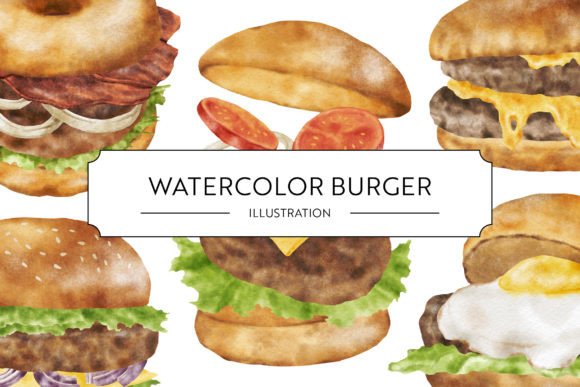
The first time I opened the Watercolor Burger Illustration file, I was struck by its warm, hand-drawn charm. This isn’t a sterile vector graphic or a hyper-realistic photo—it’s a soft, artistic interpretation of a classic burger, rendered in watercolor strokes that feel both personal and professional. As someone who works with blog designers and digital publishers on a regular basis, I immediately saw how this illustration could elevate editorial visuals, especially for lifestyle, food, and wellness niches.
How Watercolor Burger Illustration Sets the Editorial Tone
This design asset leans into a cozy, approachable aesthetic that’s perfect for bloggers and content creators who want to convey warmth, creativity, and authenticity. The watercolor texture gives it a handmade feel, while the clean outlines and defined colors keep it from becoming too abstract or hard to interpret. It's playful without being childish, and artistic without losing clarity.
If you're running a food blog, recipe eBook, or Pinterest-driven affiliate site, this illustration can help set a visual tone that feels inviting and relatable. It’s ideal for content that needs to connect emotionally with readers—think digital guides about healthy eating, downloadable meal planners, or social media posts promoting a new burger recipe or kitchen gadget.
Let’s get practical. Here are the content publishing scenarios where this graphic design asset really shines:
- Blog Featured Images:: Paired with a soft background overlay and bold headline text, this illustration can become the centerpiece of your article header.
- Pinterest Graphics:: The vibrant colors and clear subject make it perfect for Pinterest pins that stand out in a crowded feed.
- Newsletter Banners:: Use it in a Canva template for a weekly food newsletter to create a consistent, eye-catching header.
- Digital Guides and eBooks:: Incorporate it into a chapter opener or use it as a cover element for downloadable content.
- Social Media Visuals:: Whether for Instagram Stories or Facebook posts, this asset adds a human touch to your brand visuals.
- Content Upgrades:: Offer a printable burger recipe card using this illustration as the visual anchor.
- Category Thumbnails:: For niche food blogs, this can represent burger-related content across your site.
Supporting Content Performance with Visual Design
In content marketing, visuals are not just decoration—they’re critical to engagement. Here’s how Watercolor Burger Illustration can help boost your content performance:
- Stronger First Impression:: The soft yet vibrant look invites readers to pause and explore.
- Clear Visual Hierarchy:: Its defined subject makes it easy to use as a focal point in layouts.
- Higher Click-Through Rates:: On Pinterest or in email newsletters, it draws attention naturally.
- Consistent Branding:: When used across blog posts, social media, and downloadable resources, it reinforces brand identity.
- Improved Reader Trust:: Handmade visuals like this tend to feel more authentic, especially in niches like food, lifestyle, and wellness.
- Better Category Recognition:: Readers will start to associate the illustration style with your burger-related content.
This illustration performs strongest when used in:
- Hero Images:: Especially on landing pages for digital products or recipe roundups.
- Pinterest Thumbnails:: Its bold colors and recognizable subject make it scroll-stopping.
- Blog Graphics:: As a featured image or content upgrade visual.
- Newsletter Headers:: Adds a touch of personality to email campaigns.
- Editorial Accents:: Use it subtly in sidebars or as a decorative divider in long-form articles.
- Downloadable Resources:: Perfect for printable menus, recipe cards, or checklists.
Like any design asset, Watercolor Burger Illustration has its limitations. It’s best to avoid it in:
- Small Mobile Thumbnails:: The texture can get lost or appear blurry.
- Text-Heavy Blog Images:: The soft background may reduce readability.
- Low-Contrast Layouts:: Test it with your font choices to ensure legibility.
- Busy Website Designs:: It can get lost in visually complex themes.
- Serious Professional Niches:: Law, finance, or corporate blogs won’t benefit from this casual tone.
- Minimalist Visual Systems:: If your brand uses ultra-clean design, this might feel out of place.
Before using this in your content, take a few minutes to test it in real publishing contexts:
- Preview on Desktop and Mobile Screens:: Make sure it looks crisp and clear across devices.
- Test as a Thumbnail:: Zoom out to see how it holds up in small preview sizes.
- Place in a Real Blog Layout:: See how it works next to your content body and sidebar.
- Overlay Headline Text:: Check contrast and readability with your font styles.
- Try in Black and White:: Some illustrations lose impact when desaturated.
- Pair with Different Fonts:: Watercolor works well with script or handwritten fonts but may clash with overly modern sans-serif styles.
- Review File Size:: Optimize for web use to avoid slowing down your site.
- Confirm Licensing:: Always verify that the illustration comes with a commercial license if you're using it on monetized pages or in paid digital products.
Final Thoughts for Bloggers and Digital Publishers
As a blog designer and digital publisher, I’m always on the lookout for design assets that strike the right balance between style and usability. Watercolor Burger Illustration is one of those finds—it’s not just a pretty image, but a flexible tool that supports content marketing, affiliate marketing, and small business branding when used thoughtfully.
Whether you're building a Canva template library, designing a digital guide, or curating a Pinterest strategy, this illustration can help your content feel more polished, professional, and clickable. Just remember to test it in your real publishing workflow before going live, and always match its visual tone to your brand’s overall style.
If you're creating content around food, recipes, lifestyle, or wellness, this watercolor design is definitely worth adding to your creative toolkit.