Watercolour Purple Academia Clipart: A Designer’s Real-World Review for Branding & Creative Projects
First Impressions: Soft, Sophisticated, and Story-Driven Illustrations
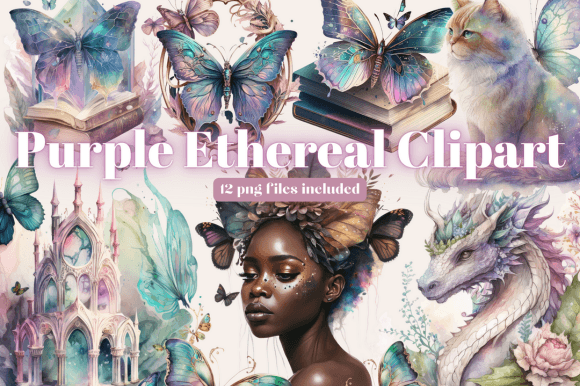
The moment I opened the Watercolour Purple Academia Clipart pack, I was struck by the gentle yet intentional aesthetic. It’s the kind of design asset that feels both nostalgic and modern—a perfect blend of watercolour texture, muted purple tones, and academic-themed illustrations like books, glasses, and parchment scrolls. It immediately evokes a scholarly, slightly whimsical mood that’s ideal for niche branding, educational content, or boutique-style creative projects.
Who Is This Clipart For? Matching the Visual Tone to Real Client Needs
As a designer working with small businesses and handmade brands, I often look for assets that can elevate a design without overpowering the message. Watercolour Purple Academia Clipart fits best with clients who want to communicate knowledge, creativity, or a curated lifestyle. Think of a boutique bookstore, a candle brand with a “study at home” vibe, or a content creator offering printable planners and journal inserts. These illustrations are expressive but not flashy, making them ideal for audiences that appreciate subtlety and depth.
Putting It to Work: Practical Use Cases Across Design Projects
Let’s get into how this clipart performs in real client work:
- Logo design: While not a primary logo element, these illustrations can be used as supporting icons or badges in a brand suite.
- Brand identity: Works beautifully as part of a brand pattern or background texture, especially for brands with a soft, intellectual, or creative positioning.
- Packaging design: Perfect for wrapping paper, bookish-themed product boxes, or label accents that add personality without being too bold.
- Social media graphics: Ideal for Canva templates targeting book lovers, students, or educators—especially around back-to-school or exam seasons.
- Printable designs: Shines in digital downloads like planners, quote cards, or study guides where a soft visual tone is preferred.
- Cricut projects: Excellent for layered paper crafts, especially when paired with light-colored cardstock or vellum for a vintage look.
- Merchandise: Looks great on tote bags, mugs, and stickers when printed with high-quality inks to preserve the watercolour effect.
Where It Shines: Best Design Applications for Maximum Impact
Watercolour Purple Academia Clipart excels in designs where texture and storytelling are key. Here’s where I’d recommend using it:
- Hero graphics: On landing pages or promotional banners where the illustration can take center stage.
- Themed collections: Especially effective in seasonal or academic-themed product lines.
- Decorative accents: Adds softness and elegance to corners, dividers, or background elements.
- Product mockups: Enhances packaging and merchandise visuals in print-on-demand or Etsy-style shops.
- Supporting brand elements: Great for brand patterns, social media highlights, or newsletter headers that support a larger visual identity.
When to Use with Caution: Design Limitations to Keep in Mind
Despite its charm, this clipart isn’t a one-size-fits-all solution. Here are situations where I’d advise caution:
- Small sizes: The watercolour texture can get lost or pixelated at thumbnail sizes.
- Crowded layouts: Tends to fade into the background if placed among too many visual elements.
- Low-contrast designs: May not pop enough on mid-tone or patterned backgrounds without adjustment.
- Minimalist branding: Doesn’t align with ultra-clean, modern brand styles that prioritize simplicity.
- Professional corporate materials: Better suited for creative or boutique industries than formal business settings.
Visual Performance: How It Affects Readability, Hierarchy, and Brand Trust
One of the most important aspects of using any design asset is understanding how it affects the user experience. Watercolour Purple Academia Clipart, with its soft edges and muted tones, can enhance emotional appeal and audience engagement when used correctly. However, it requires thoughtful placement to avoid interfering with visual hierarchy or text readability.
For example, placing an illustration behind a headline in a Canva template can work beautifully if the text is bold and the illustration is desaturated or placed on a separate layer. But overuse or poor layering can muddy the message and reduce brand clarity. As with any creative design element, balance is key.
Designer’s Checklist: What to Test Before Finalizing for Client Use
Before committing to using Watercolour Purple Academia Clipart in a client project, here are the key tests I run:
- Black and white preview: Ensures the illustration still reads clearly without color.
- Contrast check: Tests how it performs on light and dark backgrounds, especially for web and print use.
- Size testing: Reviews how it looks at both large and small scales, especially for stickers or packaging.
- Mockup placement: Uses real product mockups to see how the clipart integrates with the final design context.
- Print quality: Confirms the resolution is high enough for professional printing, especially for packaging or merchandise.
- File format inspection: Looks for PNG transparency and SVG editability if vector manipulation is needed.
- Typography pairing: Tests with serif, sans-serif, script, and handwritten fonts to ensure cohesive branding.
- Licensing verification: Confirms it includes a commercial license for print-on-demand, Etsy, or digital product use.
Final Thoughts: A Valuable Creative Design Asset for the Right Project
Watercolour Purple Academia Clipart is more than just a decorative graphic design asset—it’s a storytelling tool that adds warmth and character to a design. For the right client—a small business, creative entrepreneur, or digital seller—it can elevate a project from generic to memorable. Whether you're crafting a seasonal campaign, designing a branded printable, or creating a line of merchandise, this clipart can be a versatile and emotionally resonant choice.
As with any design element, the key is intentionality. Understand your client’s brand voice, test the clipart across formats, and ensure it supports the overall visual narrative. When used thoughtfully, Watercolour Purple Academia Clipart can become a standout feature in your creative toolkit.