Watercolor Peacock Illustrations Bring Ethereal Elegance to Branding Projects
First Impressions: A Soft, Organic Design with Strong Visual Personality
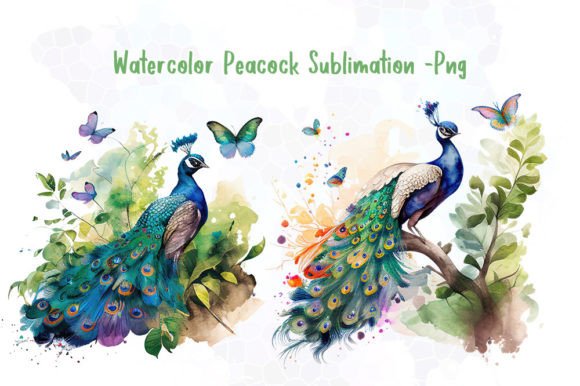
Opening the Watercolor Peacock Sublimation file, I was immediately drawn to the delicate interplay of flowing watercolor textures and the intricate details of the peacock’s plumage. This illustration feels handcrafted and expressive—perfect for projects that need a touch of organic sophistication. The muted tones and painterly strokes evoke a sense of calm and artistic refinement, making it ideal for brands leaning into soft aesthetics or artisanal storytelling.
Visual Mood and Style: Romantic, Feminine, and Nature-Inspired
This design leans heavily into a romantic, nature-inspired visual language. The watercolor technique adds a dreamy, almost nostalgic quality, while the peacock motif introduces a sense of regality and elegance. It’s the kind of graphic design asset that works well for feminine brands, wellness products, boutique packaging, or lifestyle content that wants to feel emotionally resonant and visually rich.
Best Use Cases: From Packaging to Printables
When I tested the Watercolor Peacock Sublimation in a mock branding project for a small herbal tea line, it integrated beautifully into product labels and packaging design. The soft edges and flowing lines gave the brand a gentle, approachable feel, while the peacock’s presence added a touch of uniqueness and visual interest.
Here are some of the best applications I found for this illustration:
- Packaging Design: Adds a soft, premium feel to tea boxes, candle labels, or handmade soap wrappers.
- Printable Design: Perfect for creating downloadable wall art, quote cards, or seasonal greeting cards.
- Social Media Graphics: Works well as a background accent or central hero image in Instagram posts or Pinterest pins.
- Cricut Projects: Ideal for crafting custom stickers, decals, or t-shirt transfers with a personal, artisanal touch.
- Brand Identity: Serves as a supporting element in logo design or brand pattern systems for lifestyle or wellness brands.
Where It Shines: Hero Graphics and Thematic Collections
The Watercolor Peacock Sublimation performs exceptionally well as a hero graphic in larger layout areas. It’s particularly effective in themed collections—think seasonal campaigns, botanical branding, or curated product lines. I found it especially useful in packaging mockups and editorial design spreads where the illustration could breathe and maintain its visual integrity.
It also works beautifully as a decorative accent in digital design assets like Canva templates or web banners, where its organic flow can complement modern design layouts without overpowering the composition.
Where to Use It Carefully: Minimalism and Detail-Heavy Layouts
While the illustration is rich and expressive, it doesn’t fare well in minimalist branding environments. Its soft edges and flowing lines can get lost in low-contrast designs or complex layouts with multiple visual elements. I noticed that when used in small sizes—like on mobile app icons or tiny stickers—the intricate details of the peacock’s feathers became indistinct, reducing its impact.
Additionally, in professional corporate materials or branding systems that require strict visual hierarchy and clean typography, this asset may feel out of place unless carefully balanced with more structured design elements.
Impact on Branding and Audience Engagement
From a branding perspective, this creative design can significantly enhance emotional appeal and audience engagement. When used in a cohesive visual system, the Watercolor Peacock Sublimation helps create a sense of warmth, authenticity, and artistic quality. It supports brand consistency when applied across multiple touchpoints—like packaging, social media, and website graphics—giving the brand a unified, curated look.
However, designers should be cautious about readability when overlaying text on top of the illustration. The watercolor textures can interfere with legibility, especially on dark backgrounds or in print-on-demand applications like mugs or tote bags.
Practical Designer Notes: What to Test Before Final Use
Before committing to this digital product for a client project, I recommend the following checks:
- Test in black and white: See how the illustration translates in monochrome for print or vintage-style branding.
- Check contrast on light and dark backgrounds: Ensure the illustration remains visible and impactful across different design contexts.
- Preview at small and large sizes: Confirm that the details hold up in both high-resolution print and small-scale digital use.
- Place it on real mockups: Use tools like Photoshop or Canva templates to visualize how it works on t-shirts, mugs, or packaging.
- Test print quality: Especially important for sublimation use, where color accuracy and resolution matter.
- Review file formats: Make sure you have access to SVG, PNG, or vector formats for scalability and editing flexibility.
- Inspect PNG transparency: If included, verify that the transparent background works well in layered designs.
- Compare with different fonts: Try pairing with serif, sans-serif, script, and display fonts to see which combinations feel most cohesive.
- Confirm commercial licensing: Always double-check that the design asset is cleared for commercial use, especially for print-on-demand sellers or Etsy shops.
Why This Watercolor Peacock Illustration Belongs in Your Design Toolkit
For designers working with small business branding, handmade businesses, or creative marketplace products, the Watercolor Peacock Sublimation is a versatile graphic design asset that can elevate visual storytelling. Whether you're designing a seasonal campaign, launching a new product line, or crafting a boutique brand identity, this illustration offers a soft, artistic edge that resonates emotionally with audiences.
Used thoughtfully, it can help create a sense of professionalism, emotional connection, and refined visual appeal—making it a strong contender for inclusion in your next client project or printable design bundle.