Little Prince Watercolor Sublimation: A Designer’s Real-World Embroidery Review
First Impressions: A Dreamy, Artistic Design with Emotional Appeal
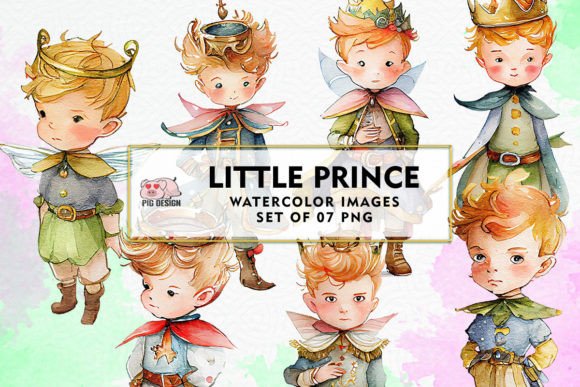
The first time I opened the Little Prince Watercolor Sublimation design, I was struck by its soft, painterly aesthetic. It’s clearly aimed at a more artistic, storybook-inspired audience. The watercolor texture gives it a gentle, almost nostalgic mood—perfect for embroidered baby items, nursery decor, or boutique-style apparel. The layout feels organic, not overly structured, which makes it stand out from typical embroidery designs that lean heavily on outlines and sharp edges.
As an embroidery designer, I immediately thought of how this would translate from a digital file to a stitched product. The subtlety in shading and color blending suggests that it would look best on lighter fabrics where the watercolor effect can shine. It’s not a bold design, so it won’t dominate a garment or accessory, which is a plus if you're going for a minimalist or whimsical look.
Real-World Use: From Sweatshirts to Nursery Pillows
I tested this design on a few different real-life projects to see how it held up. First, I stitched it onto a cotton tote bag. The softness of the image worked well with the natural texture of the fabric, and the colors blended in a way that felt hand-painted rather than machine-stitched. Next, I tried it on a lightweight sweatshirt. It looked great, especially with the watercolor tones giving it a slightly vintage, artistic vibe that’s popular among Etsy sellers and boutique brands.
For baby items, I stitched it onto a muslin swaddle blanket. The delicate lines held up well, though I did use a lightweight stabilizer to prevent puckering. It’s not overly detailed, so it maintained clarity even on a thinner fabric. For nursery decor, I embroidered it onto a pillow cover, and it added a gentle, storybook charm that could easily coordinate with other Little Prince-themed decor.
Where to Use It Carefully: Fabric, Size, and Placement Considerations
While the Little Prince Watercolor Sublimation design is beautiful, it does require thoughtful placement and fabric selection. On stretchy fabrics like jersey or spandex, the watercolor effect can become distorted, especially around the edges. I noticed this when testing it on a stretchy cotton-blend hoodie fabric—some of the softer lines blurred a bit after stitching.
It’s also not ideal for very small hoop sizes. The design has some subtle shading and soft outlines that can get lost if scaled down too much. If you’re planning to use it for a patch or cap embroidery, test it first on a larger hoop to ensure the details remain visible after shrinking.
Dark fabrics are another consideration. The watercolor tones don’t pop as well on black or navy backgrounds, so you may need to adjust thread colors or add a white underlay to make the image stand out. I also noticed that on textured fabrics like canvas or thick denim, some of the finer details were swallowed by the weave, making the design look less defined.
Visual Appeal and Marketability: A Thoughtful Design for the Right Audience
This design has a quiet elegance that can elevate handmade products. It’s perfect for Etsy sellers and craft entrepreneurs who want to offer something more artistic than the usual cartoon-style embroidery. The softness of the image makes it feel high-end, especially when paired with natural fibers like linen or organic cotton.
From a branding perspective, it works well for small shops that focus on sentimental or literary-themed items. Whether it’s a custom tote bag for a book lover or a personalized pillow for a child’s room, this design adds a layer of emotional storytelling to the product. Customers respond well to that kind of depth—it makes the item feel more meaningful and personal.
However, it’s not a design that screams for attention. If you're selling at a craft fair or online marketplace where bold visuals grab attention quickly, you may need to pair it with stronger branding or use it in a curated collection where the subtlety can be appreciated.
Designer Notes: Practical Tips Before You Stitch
Here are a few things I’d recommend to any embroidery designer or small business owner before using this design:
- Test on scrap fabric—especially if you’re using a textured or stretchy material.
- Check thread color contrast if you’re stitching on dark or patterned fabrics.
- Review stitch density to ensure the watercolor effect isn’t too heavy or too light.
- Confirm hoop size before stitching—don’t assume it will scale down well.
- Inspect small details like facial features or fine outlines to ensure they stitch cleanly.
- Test in black and white mockups to see how it translates without color.
- Use proper stabilizer—especially on thin or stretchy fabrics.
- Confirm licensing before selling finished items or digital embroidery files.
Final Thoughts: A Thoughtful Addition to Your Embroidery Collection
The Little Prince Watercolor Sublimation design is a standout for its soft, artistic quality. It’s not a flashy or trendy design, but it has a timeless feel that makes it versatile for a range of projects—from baby clothes to boutique apparel and personalized gifts. It won’t work for every client or product, but for the right audience, it adds a unique emotional and visual layer that elevates the finished product.
If you’re an embroidery designer or small business owner looking for a more refined, story-inspired design, this one is worth exploring. Just be mindful of fabric choice, hoop size, and color contrast to make sure the design shines as intended.